ACC cover for skin cancer
Help your patients access the support they're entitled to
What clinicians need to know
ACC provides cover for skin cancer in three main ways:
- Work-related gradual process injury (WRGPI)
- Personal injury caused by an accident (PICBA)
- Treatment injury (TI)
Many people with skin cancer who may be eligible for ACC support are missing out — simply because claims aren’t being made.
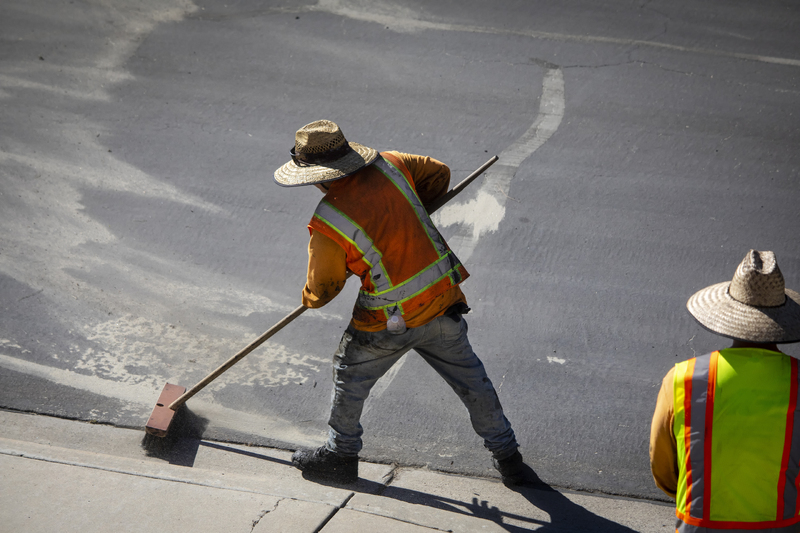
Work-related gradual process injury
Skin cancer caused by long-term exposure to solar ultraviolet radiation (UVR) at work is not yet listed as an occupational disease under Schedule 2 of the Accident Compensation Act 2001.
However, cover is available under section 30 — personal injury caused by work-related gradual process, disease, or infection.
This applies when a person’s job puts them at greater risk of developing skin cancer than people not exposed to UVR in their work.
If an ACC claim for skin cancer is successful, your patient may be eligible for additional ACC entitlements such as additional treatment funding; home and community support and complex nursing care; and financial support if your patient is unable to work, has a permanent injury or passes away.
Raising awareness of this pathway — as has been done successfully in Australia — not only improves access to compensation for skin cancer patients, but can also help drive stronger investment in skin cancer prevention.
What to do
- Ask about work history when assessing patients with skin cancer.
- If there's a history of regular or intense outdoor work in New Zealand, consider whether the cancer is likely work-related.
- If the person is at a significantly greater risk because of their work than those who are not, lodge an ACC45 claim for a work-related gradual process injury. Be sure to tick the 'work-related gradual process injury' box in Section D of the form.
ACC accepts that employment exposure can be a contributing cause — it doesn’t need to be the only cause. Claims can be declined only if the patient’s work exposure did not make them significantly more at risk than the general population.
Examples of those who might be eligible
Research has shown that those who work outdoors for extended periods or those whose work results in episodes of intense intermittent exposure to UVR face a higher risk of both non-melanoma and melanoma skin cancers. For most outdoor occupations, ACC generally cannot decline claims on this basis.
Those who might qualify include:
- Horticulture and viticulture workers
- Construction, roofers and road workers
- Environmental agents or forestry workers
- Agricultural workers
- Seafarers or fishermen
- Gardeners or landscapers
- Lifeguards
- Mountain guides
- Teachers
- Military or defence personnel
- Airline pilots and crew,
- Welders
- Truck drivers
- Sports professionals
Personal injury caused by an accident
This pathway should be considered if your patient has a skin cancer that may have arisen from:
- sun burn (if the original claim is covered by ACC as an accidental injury)
- burn scars (if the original claim is covered by ACC as an accidental injury)
- basal cell carcinoma developed at the site of sharp or blunt trauma.
In these circumstances, claims should be lodged using an ACC45 claim.
Treatment injury
This pathway should be considered if your patient:
- may have been misdiagnosed, or there was a delay in diagnosis or treatment being provided
- has developed skin cancer as a result of radiotherapy or immunosuppression following organ transplant
- has developed skin cancer at the site of an incision.
An ACC2152 Treatment Injury form must be completed alongside the ACC45 form when lodging a treatment injury claim.