Current priorities
Our focus
Our advocacy is focused on driving improvements that reduce the incidence and impact of skin cancer across New Zealand - from prevention and early detection to diagnosis, treatment, care and research.
We work nationally with members and sector partners to influence system-wide change that improves outcomes for all communities.
Our current focus areas are outlined below.
Current issues

Strengthening skin cancer prevention
We are advocating for a coordinated and sustained approach to reducing skin cancer incidence through supportive environments, public education, policy, legislation, and research across workplaces, schools, sports, and communities.
Why it matters
New Zealand has one of the highest skin cancer incidence rates in the world, with skin cancer accounting for eight out of every ten cancers diagnosed. Yet almost all skin cancers are preventable. Evidence shows that reducing exposure to ultraviolet radiation is the most effective way to lower skin cancer incidence and long-term disease burden.
Despite this, prevention efforts in New Zealand remain inconsistent and under-resourced, with significant opportunities to strengthen national coordination and long-term investment in prevention initiatives.
Our efforts
- Developed and launched the New Zealand Skin Cancer Prevention and Early Detection Strategy as an evidence-based roadmap for strengthening prevention efforts across New Zealand.
- Socialising the Strategy across health, education, workplace, sport and community sectors to build awareness, alignment and support.
- Engaging with Government to advocate for increased and sustained investment in prevention interventions and coordinated national action across health, workplaces, schools, education, sports and communities.
- Working with partners and stakeholders to strengthen collaboration and promote a more coordinated national approach to skin cancer prevention.
Latest update
A joint $2 million investment from the Government and the Cancer Society into the SunSmart programme for 2026/27 will support expanded national skin cancer prevention activity across New Zealand.
Strengthening early detection
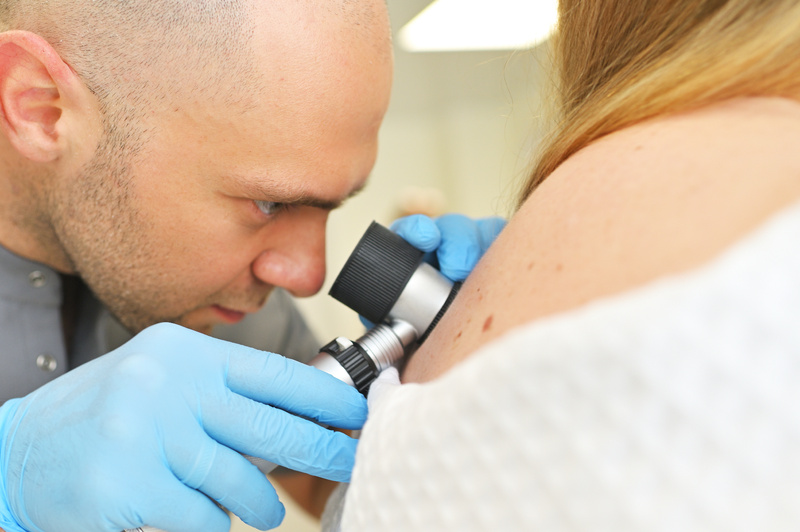
We are working to improve the early detection of skin cancer through strengthened health workforce capability, consistent clinical pathways, timely access to quality skin cancer detection services, and improved public awareness.
Why it matters
Nearly all skin cancers are curable if caught early. Early detection is a high-impact, cost-effective way to reduce harm and health system burden.
In NZ, access to skin cancer services is variable, with inequities particularly evident in rural and regional areas. Training and support for health professionals in the early detection of skin cancer is also inconsistent.
Strengthening primary care capability and improving system consistency will improve equity of access, reduce pressure on specialist services, and support earlier diagnosis and better outcomes—particularly for people in high-need and rural communities.
Our efforts
- Developed the Skin Cancer Prevention and Early Detection Strategy as a national roadmap to guide improvements in early detection across New Zealand.
- Working with Health NZ to develop an online education programme for health professionals, providing foundational training in skin cancer prevention, early detection, and dermoscopy.
- Contributing to Health NZ–led work to improve national consistency in skin cancer management and clinical pathways.
- Leading the development of a nursing professional framework and career pathway for skin cancer care, recognising the significant untapped potential of the nursing workforce to enhance access and capability.
- Advocating to Government for strengthened workforce capability, consistent systems, and improved access to high-quality skin cancer detection services.
Funded treatment for advanced cutaneous squamous cell carcinoma
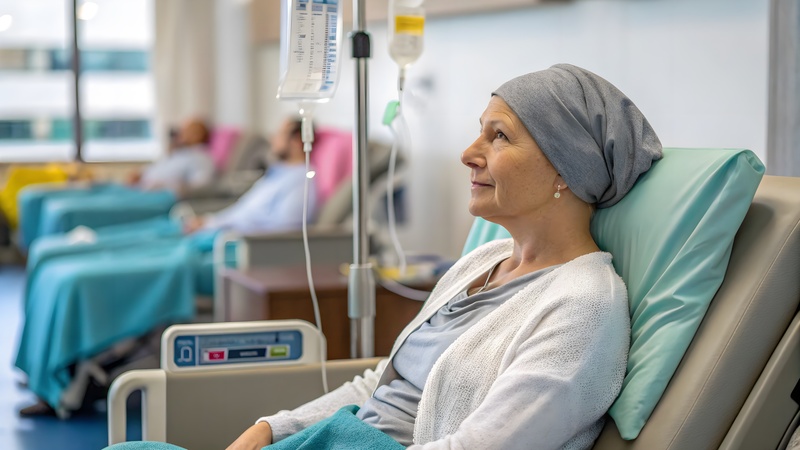
We are advocating for the funding of cemiplimab for the treatment of patients with advanced cutaneous squamous cell carcinoma (cSCC).
Why it matters
cSCC is the second most common type of skin cancer. While most cases are effectively managed with simple excision, a small proportion of patients develop advanced disease, including distant metastases or locoregionally unresectable disease. For these patients, outcomes are poor, with significant disease burden and treatment-related morbidity. Without effective systemic therapies, many will die from their disease.
PD1-inhibitors such as cemiplimab have transformed the management of advanced cSCC. Clinical trials demonstrate meaningful and durable response rates, with the potential for long-term disease control. Internationally, cemiplimab has become a standard of care for advanced cSCC and is funded in multiple comparable healthcare systems.
Funding cemiplimab in New Zealand would align treatment with global best practice and ensure equitable access to an effective therapy for patients with otherwise limited options.
Our efforts
- Supporting a medicine funding application to Pharmac, and advocating directly to Pharmac and Ministers regarding access to this treatment.

Improved data collection for non melanoma skin cancer
We are advocating for improved national data collection and reporting for non-melanoma skin cancer in New Zealand.
Why it matters
Non-melanoma skin cancers are the most common cancers diagnosed in New Zealand, yet they are not captured in the New Zealand Cancer Registry. This limits understanding of the true burden of skin cancer in New Zealand and restricts the ability to assess inequities, plan services effectively, evaluate prevention initiatives, and inform future policy and investment decisions.
Improved national data collection would support more coordinated and evidence-based skin cancer care, strengthen research and service planning, and provide a clearer picture of the impact of skin cancer across Aotearoa New Zealand. Better data would also support advocacy for appropriate investment in prevention, early detection, and treatment initiatives.
Our efforts
- Raising awareness of gaps in national non-melanoma skin cancer data and their impact on system planning and equity.
- Engaging with Government and the Cancer Control Agency to strengthen national data collection and reporting.

Funded treatments for advanced melanoma
We are advocating for expanded access to funded treatments for New Zealanders with advanced melanoma.
Why it matters
Advanced melanoma is a life-threatening disease, but outcomes have improved significantly with the introduction of immunotherapy and targeted therapies.
In New Zealand, funded immunotherapy and targeted treatment options are available for eligible patients with advanced melanoma, with additional therapies continuing to emerge as clinical practice evolves.
These treatments can substantially improve survival and quality of life, with some patients achieving long-term disease control. Internationally, immunotherapy is now standard of care for advanced melanoma, and expanding access to these medicines is critical to maintaining alignment with best practice.
Our efforts
- Advocating to Government and Pharmac for improved access to funded treatments for advanced melanoma.
- Supporting medicine funding applications relating to expanded access funded melanoma treatments.
- Providing clinical advice to Pharmac to inform the development and implementation of funding proposals for melanoma medicines.
- Connecting clinicians and sector partners to support nationally consistent implementation of new melanoma treatments across New Zealand.
In May 2026, Pharmac announced widened access to existing melanoma treatments and funding for additional medicines for people with stage IIIB to stage IV melanoma, alongside expanded access to medicines used to manage immune checkpoint inhibitor-related toxicity.
This decision represents a significant step forward for patients and clinicians and reflects sustained advocacy and collaboration across the sector.

Occupational recognition and ACC pathways for skin cancer
We are advocating for recognition of skin cancer as an occupational disease and greater awareness and use of existing ACC pathways for people diagnosed with skin cancer where occupational UV exposure may have been a contributing factor.
Why it matters
Research has consistently demonstrated a clear link between occupational exposure to ultraviolet radiation and an increased risk of skin cancer. Despite this strong international evidence, skin cancer is not currently recognised as an occupational disease under Schedule 2 of the Accident Compensation Act 2001.
While existing ACC pathways may provide cover for work-related skin cancer, awareness and use of these pathways is variable among clinicians, employers, and patients, meaning some people who may be eligible for support are not accessing it.
Our efforts
- Advocating to Government for recognition of occupational skin cancer within the ACC framework.
- Submitting to MBIE on the inclusion of skin cancer in Schedule 2 of the Accident Compensation Act 2001.
- Raising awareness of existing ACC pathways for skin cancer among health professionals.
Support our work
If you value this work, you can support our ongoing advocacy for better outcomes for skin cancer in New Zealand by making a voluntary one-off, monthly, or annual contribution. Payments can be made securely by credit card or via direct credit.